
Ingrown Toenail Infection: Symptoms and Best Treatments
Ingrown Toenail Infection Symptoms and Treatment
The most common signs of an ingrown toenail infection include throbbing pain, swelling, redness, and the presence of yellow or white pus at the site where the nail pierces the skin. Treatment typically involves warm salt water soaks, the application of antibiotic ointments, and wearing open-toed shoes to relieve pressure. While many cases can be managed at home if caught early, a severe ingrown toenail infection that results in spreading redness, fever, or extreme warmth requires professional medical intervention—such as a partial nail avulsion—to prevent the infection from reaching the bone.
Recognizing Ingrown Toenail Infection Symptoms
An ingrown toenail (onychocryptosis) occurs when the corner or side of a toenail grows into the soft flesh. When the skin barrier is broken, bacteria can enter, leading to an ingrown toenail infection. Recognizing the stages of this condition is vital for timely treatment.
Early Stage (Non-Infected)
Mild tenderness when pressure is applied to the toe.
Redness localized at the corner of the nail.
Slight swelling but no fluid drainage.
Infected Stage
As the ingrown toenail infection progresses, you may notice:
Severe pain that makes it difficult to wear socks or shoes.
Oozing pus or watery discharge tinged with blood.
Overgrowth of skin (granulation tissue) around the affected nail corner.
Increased warmth in the toe compared to the rest of the foot.
Comparison of Home Care vs. Professional Treatment
Knowing when to treat the issue in your bathroom and when to visit a podiatrist can save you weeks of discomfort.
| Feature | Home Treatment | Medical Treatment |
|---|---|---|
| Recommended For | Early redness and mild soreness. | Pus, fever, or recurring infections. |
| Common Method | Epsom salt soaks & antibiotic cream. | Partial nail removal (Matrixectomy). |
| Recovery Time | 3–7 days. | 1–2 weeks for skin healing. |
| Primary Goal | Soften skin and reduce bacteria. | Remove the offending nail piece. |
Effective Home Treatments for Relief
If you catch an ingrown toenail infection in its infancy, these steps can often reverse the inflammation.
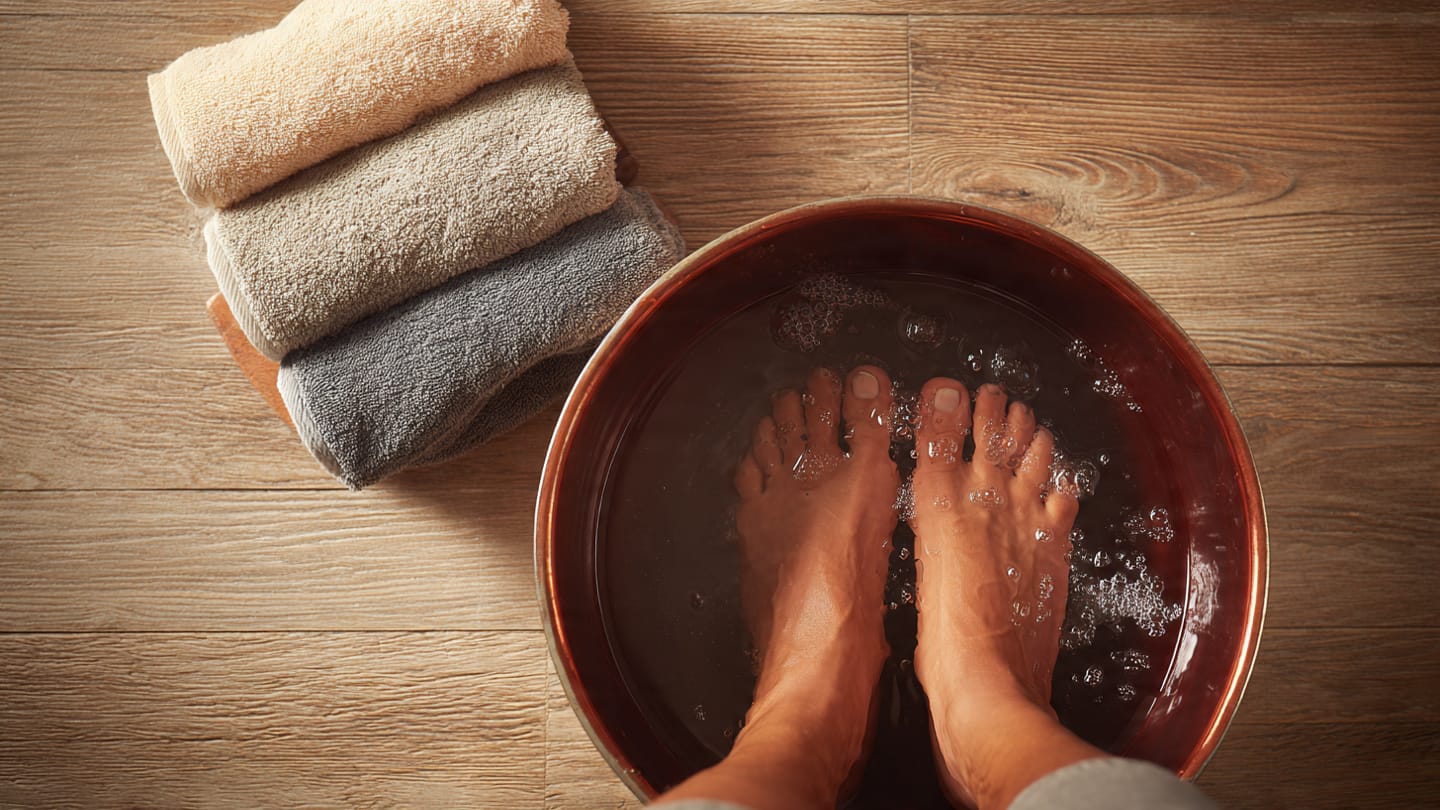
1. Warm Epsom Salt Soaks
Soaking the foot softens the skin around the nail and helps draw out minor infections.
How to: Mix 2 tablespoons of Epsom salt in warm (not hot) water. Soak for 15 minutes, three times daily.
2. Proper Cleaning and Ointment
After soaking, dry the foot thoroughly. Apply an over-the-counter antibiotic ointment (like Bacitracin or Neosporin) to the affected edge and cover it with a clean bandage.
3. The Dental Floss Technique (Caution Required)
Some experts suggest placing a small piece of waxed dental floss or a tiny cotton wisp under the ingrown edge after a soak. This helps the nail eventually grow above the skin edge. Note: Do not attempt this if there is active pus or severe pain, as you may push bacteria deeper.
Why You Should Avoid "Bathroom Surgery"
One of the most dangerous things a person can do when an ingrown toenail infection occurs is attempting to cut the nail out with unsterilized household tools like nail clippers or scissors.
Risk of Sepsis: Digging into the skin can introduce staph or strep bacteria into the bloodstream.
Incomplete Removal: Often, a small "spike" of the nail is left behind, which continues to grow deeper into the flesh.
Tissue Damage: You may accidentally damage the nail matrix, leading to permanent nail deformity.
5 Tips to Prevent a Recurring Ingrown Toenail Infection
Prevention is significantly easier than treating a painful infection. Follow these guidelines to keep your toes healthy:
Trim Straight Across: Never round the corners of your toenails. Rounded edges are the primary cause of nails growing into the skin.
Maintain Moderate Length: Keep nails even with the tips of your toes. Cutting them too short can encourage the skin to fold over the nail.
Check Your Footwear: Ensure your shoes have a wide toe box. Tight-fitting shoes, especially high heels or pointed-toe boots, compress the toes together.
Protect Your Feet: If your job involves heavy lifting or a risk of foot injury, wear steel-toed boots.
Dry Thoroughly: Fungus and bacteria thrive in damp environments. Always dry between your toes after showering.
Professional Medical Procedures
If home remedies fail, a podiatrist has several ways to fix an ingrown toenail infection permanently.
Partial Nail Avulsion
The doctor numbs the toe with a local anesthetic and removes only the portion of the nail that is digging into the skin. This provides immediate relief from the pressure and allows the infection to drain.
Matrixectomy (Permanent Solution)
For those who suffer from chronic ingrown toenail infection, a chemical called phenol is applied to the nail root. This prevents that specific edge of the nail from ever growing back, solving the problem permanently.
Complications: When is it an Emergency?
Certain individuals are at a much higher risk of complications from an ingrown toenail infection. If you have diabetes or poor circulation, you should never attempt home treatment. A small infection can quickly lead to an ulcer or gangrene.
Seek immediate help if you notice:
Red streaks extending from the toe toward the ankle.
A foul odor coming from the toe.
Persistent fever or chills.
The inability to put any weight on the foot.
Key Takeaways
Spot the Signs: Redness, swelling, and pus are clear indicators of an ingrown toenail infection.
Soak Regularly: Use warm Epsom salt baths to soften the tissue and reduce inflammation.
Trim Correctly: Always cut toenails straight across to prevent future ingrown edges.
Know Your Limits: Avoid "bathroom surgery"; if an infection persists for more than 3 days, see a podiatrist.
Welcome to Natural Health Bag, your trusted source for holistic wellness since 2014. We specialize in providing evidence-based insights into nutrition, herbal remedies, and sustainable lifestyle shifts. Our mission is to empower you with practical tools to achieve balance and vitality naturally. Join our community as we explore the path to long-term health through mindful, nature-inspired living.