
Adult ADHD: Symptoms, Causes, and Evidence-Based Treatments
Adult ADHD: Symptoms, Causes, Treatments
Adult ADHD (Attention-Deficit/Hyperactivity Disorder) is a neurodevelopmental condition characterized by persistent patterns of inattention, hyperactivity, and impulsivity that interfere with daily functioning and executive tasks. While often diagnosed in childhood, many adults remain undiagnosed, experiencing symptoms such as chronic forgetfulness, difficulty prioritizing tasks, poor time management, and emotional dysregulation. Effective management typically involves a "multimodal" approach, including stimulant or non-stimulant medications, Cognitive Behavioral Therapy (CBT), and lifestyle modifications like structured scheduling and mindfulness. By understanding the neurobiological causes and implementing targeted treatments, adults with ADHD can significantly improve their productivity, relationship satisfaction, and overall quality of life.
Recognizing the Symptoms of ADHD in Adults
In adults, ADHD rarely looks like the "hyperactive child" stereotype. Instead, it often manifests as internal restlessness and executive dysfunction. Because adults have more complex responsibilities—such as managing a career, finances, and family—the symptoms can be more debilitating.
The core symptoms are generally categorized into two clusters: Inattentive and Hyperactive-Impulsive. However, many adults present with a combined type.
Executive Function and Inattention
Adults with ADHD often struggle with the "management system" of the brain. This includes:
Task Paralysis: Feeling overwhelmed by complex projects, leading to chronic procrastination.
Poor Working Memory: Frequently losing keys, phones, or forgetting the content of a conversation moments after it happens.
Distractibility: An inability to filter out "background noise," whether physical sounds or intrusive thoughts.
Hyperactivity and Emotional Regulation
In adulthood, physical hyperactivity often transforms into mental hyperactivity.
Impulsivity: Making "snap" decisions, interrupting others during conversations, or struggling with impulse spending.
Restlessness: A constant feeling of being "driven by a motor," or an inability to sit through long meetings or movies.
Emotional Lability: Experiencing intense "highs" and "lows," often referred to as Rejection Sensitive Dysphoria (RSD).
Comparison of ADHD Treatment Modalities
A combination of treatments is often more effective than any single method alone.
| Treatment Type | Primary Mechanism | Key Benefit |
|---|---|---|
| Stimulants | Increases Dopamine and Norepinephrine. | Immediate improvement in focus and alertness. |
| Non-Stimulants | Stabilizes neurotransmitter levels over time. | 24-hour coverage; lower risk of anxiety. |
| CBT (Therapy) | Behavioral restructuring and coping skills. | Long-term management of executive dysfunction. |
| ADHD Coaching | Practical systems and accountability. | Better time management and organization. |
The Primary Causes of Adult ADHD
Understanding the "why" behind the condition is essential for reducing the stigma and "moral failing" narrative often associated with ADHD. Adult ADHD is a biological condition, not a result of laziness or lack of discipline.
Genetics and Heredity
ADHD is highly heritable. Studies suggest that if a parent has ADHD, there is an over 50% chance their child will also have it. Research has identified specific gene variations related to how the brain processes dopamine.
Neurobiology and Brain Structure
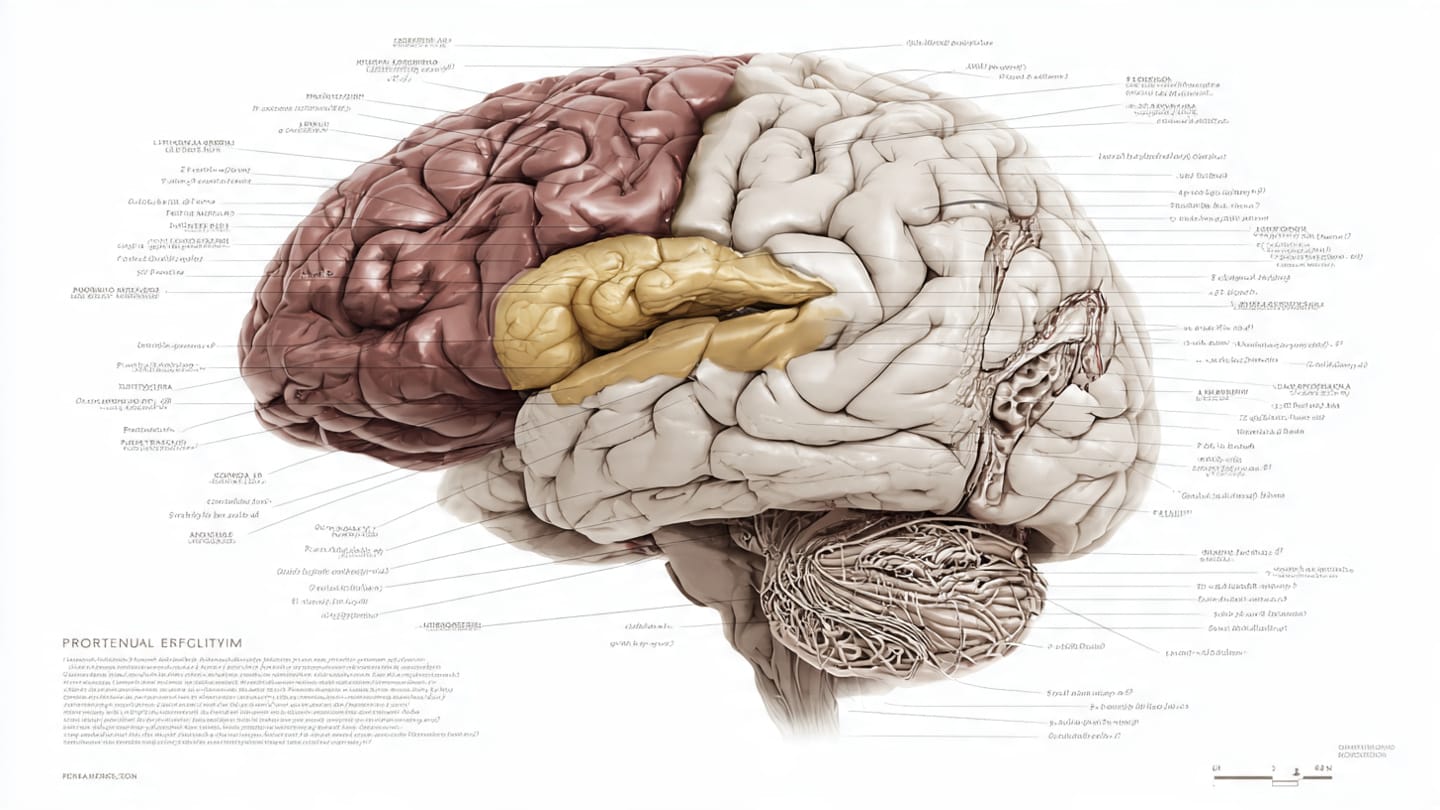
Neuroimaging shows that the ADHD brain has structural differences, particularly in the Prefrontal Cortex—the area responsible for planning and impulse control. Additionally, there is often a dysregulation of dopamine, the neurotransmitter associated with reward and motivation.
Environmental Factors
While not "causes" in the traditional sense, factors like premature birth, prenatal exposure to toxins (like lead), or extreme early-childhood stress can influence the development of ADHD symptoms.
Effective Treatment Strategies for Adults
Treatment for Adult ADHD is not "one size fits all." It usually requires a combination of pharmacological and behavioral interventions.
1. Pharmacological Interventions
Medication is often the first line of treatment. Stimulants (like Methylphenidate or Amphetamines) work by increasing the availability of dopamine. Non-stimulants (like Atomoxetine) are often preferred for those with co-occurring anxiety or a history of substance sensitivity.
2. Cognitive Behavioral Therapy (CBT)
CBT for ADHD focuses on "the now." It helps adults identify the cognitive distortions (like "all-or-nothing" thinking) that lead to procrastination and helps build practical systems for organization and emotional regulation.
3. Lifestyle and Environmental Design
Living with ADHD requires "working with the brain, not against it."
The "Point of Performance": Place reminders exactly where the task happens (e.g., hanging your keys on the door handle).
Body Doubling: Working in the presence of another person to increase accountability and focus.
Exercise: Regular aerobic activity increases natural dopamine and BDNF (Brain-Derived Neurotrophic Factor), which improves cognitive flexibility.
Coping Mechanisms and Natural Support
While medical treatment is foundational, certain natural strategies can supplement recovery.
High-Protein Diets: Protein is essential for neurotransmitter production. A high-protein breakfast can help stabilize energy levels throughout the day.
Omega-3 Fatty Acids: Supplementing with high-quality fish oil has been shown to support brain health and reduce mild inattention.
Mindfulness Meditation: While difficult for the ADHD brain, short bursts of mindfulness training can strengthen the "attention muscle" over time.
Hydration: As seen in 14 excitingly easy solutions stop wheezing, systemic hydration is critical for neurological per

Managing Secondary Symptoms: Anxiety and Swelling
Untreated ADHD often leads to chronic stress, which can manifest physically. High cortisol levels can cause systemic inflammation. Utilizing Surprisingly Simple Home Remedies for Swelling, such as magnesium baths, can help relax the nervous system and reduce physical tension. Managing the "internal heat" of a busy mind is also addressed in Natural Ways to Get Rid of Internal Heat Permanently, which emphasizes cooling herbs and grounding routines to stabilize the body's stress response.
The Importance of a Professional Diagnosis
Many adults "self-diagnose" via social media. While self-awareness is good, a professional evaluation is vital to rule out "look-alike" conditions such as Thyroid disorders, Sleep Apnea, or Clinical Depression, which can mimic ADHD symptoms. A proper diagnosis allows for a targeted treatment plan that addresses the specific neurochemical needs of the individual.
Key Takeaways
Neurobiological Root: ADHD is a genetic and biological condition, not a character flaw.
Multimodal Treatment: The "Gold Standard" involves medication, therapy, and lifestyle changes used together.
Executive Dysfunction: Focus on managing time, tasks, and emotions rather than just "trying harder."
Professional Help: Seek a formal evaluation to differentiate ADHD from other medical or psychological conditions.
Welcome to Natural Health Bag, your trusted source for holistic wellness since 2014. We specialize in providing evidence-based insights into nutrition, herbal remedies, and sustainable lifestyle shifts. Our mission is to empower you with practical tools to achieve balance and vitality naturally. Join our community as we explore the path to long-term health through mindful, nature-inspired living.